Why Rehabilitation After Cruciate Surgery Matters
When a dog tears a cruciate ligament, surgery is often the first step towards recovery. Whether your dog has had a TPLO, TTA or another cruciate stabilisation procedure, the operation is only part of the journey. Dog cruciate surgery rehabilitation plays an important role in helping restore muscle strength, mobility, balance and confidence as your dog recovers.
While surgery repairs the damaged joint, it doesn't
automatically restore strength, balance, coordination or normal movement.
That's where rehabilitation plays a vital role.
At Aquapaws Canine Rehabilitation & Fitness Centre,
we regularly see dogs referred to us after cruciate surgery. Many owners are
surprised to learn that although the knee has been repaired, their dog can
still have significant muscle loss, weakness and altered movement patterns that
need to be addressed during recovery.
Surgery stabilises the knee. Rehabilitation
helps your dog regain function and confidence.
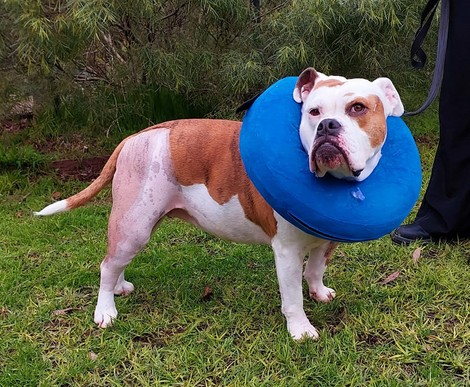
What Surgery Doesn't Fix
Cruciate surgery is designed to stabilise the stifle
(knee) joint and reduce ongoing damage. However, it does not:
- Rebuild
muscle lost before or after surgery
- Restore
normal range of motion
- Improve
balance and coordination
- Correct
compensatory movement patterns
- Improve
overall fitness and endurance
Many dogs have been favouring the affected leg for weeks
or even months before surgery. During that time, muscle wastage develops and
the body adapts by shifting weight onto the other limbs.
Without rehabilitation, these issues often remain long
after the surgical site has healed.
What Can Happen Without Rehabilitation?
When rehabilitation is overlooked, dogs may experience:
Ongoing Muscle Loss
Strong muscles are essential for supporting the knee
joint. Without targeted exercise, muscle strength can be slow to return.
Reduced Mobility
Stiffness and restricted movement can develop if joints
and soft tissues are not gently mobilised during recovery.
Increased Strain on Other Limbs
Dogs naturally compensate by loading their other legs.
This can increase the risk of injury to the opposite cruciate ligament and
place additional stress on arthritic joints.
Slower Recovery
Dogs that follow a structured rehabilitation program
often regain function more efficiently and return to normal activities sooner
than those relying on rest alone.
What Rehabilitation Typically Involves
Successful rehabilitation is a progressive process that
evolves as your dog heals. Each stage builds on the last, helping restore
mobility, strength and confidence while protecting the surgical repair.
- Weeks 1–2: The focus is on
comfort and healing. This may include pain management, cold therapy,
gentle joint mobility exercises and short, controlled lead walks.
- Weeks 3–6: As healing
progresses, we begin introducing exercises to improve weight-bearing,
rebuild muscle strength and enhance balance. Hydrotherapy or underwater
treadmill sessions may be introduced where appropriate.
- Weeks 7–12 and beyond:
Rehabilitation becomes more focused on strength, endurance, coordination
and a gradual return to normal daily activities. Exercise programs are
progressed according to each dog's individual recovery.
Additional therapies such as laser therapy, remedial massage, physiotherapy
techniques and customised home exercise programs may also be incorporated to
support recovery. Every rehabilitation plan is tailored to the individual dog,
their surgery, and their stage of healing.
The Importance of Early Intervention
The first few weeks after surgery are critical.
Appropriate rehabilitation helps guide healing, encourages correct limb use and
reduces the likelihood of long-term compensations developing.
A well-structured recovery program can make the
difference between a dog that simply heals and a dog that returns to an active,
happy lifestyle.
How Aquapaws Can Help
At Aquapaws Canine Rehabilitation & Fitness Centre,
we work closely with veterinarians and owners to provide comprehensive
post-cruciate rehabilitation programs.
Our experienced team can assist with:
- Physiotherapy
assessments
- Underwater
treadmill therapy
- Hydrotherapy
swimming sessions
- Laser
therapy
- Strength
and conditioning programs
- Home
exercise plans
- Ongoing
progress monitoring
Our aim is simple: to help your dog regain strength,
mobility and confidence so they can get back to enjoying life.
The Bottom Line
Cruciate surgery repairs the injury, but rehabilitation
helps your dog achieve the best possible outcome.
If your dog has recently undergone cruciate surgery,
investing in rehabilitation can help maximise their recovery, reduce the risk
of future problems and support a faster return to the activities they love.
For more information about our post-cruciate rehabilitation
programs, contact Aquapaws Canine Rehabilitation & Fitness Centre on 03 59
77 88 41. We're here to help every step of the recovery journey.
Aquapaws - "Adding years to their life and life to their years"