"Just Rest Them for a Few Weeks and See How They Go"
It's one of the most common pieces of advice dog owners receive when their dog develops a
limp, suffers an injury, or starts showing signs of discomfort.
"Just rest them for a few weeks and see how they go."
While rest certainly has its place in the healing process, it is rarely the complete solution. In
fact, prolonged rest without an appropriate rehabilitation plan can sometimes create new problems
and delay recovery.
At Aquapaws, we regularly see dogs that have spent weeks or even months resting, only to return
with ongoing lameness, weakness, stiffness or reduced mobility.
So what actually happens when rest is the only treatment?
Rest Doesn't Rebuild Muscle
One of
the first things that happens after an injury is muscle loss.
When a
dog isn't using a limb normally, the muscles begin to weaken surprisingly
quickly. The body follows a simple rule: if a muscle isn't being used, it
doesn't need to maintain it.
Even a
few weeks of reduced activity can result in noticeable muscle wastage.
The
problem is that strong muscles are essential for supporting joints, protecting
injured tissues and helping a dog move efficiently.
Without a
plan to gradually rebuild that strength, recovery often stalls.
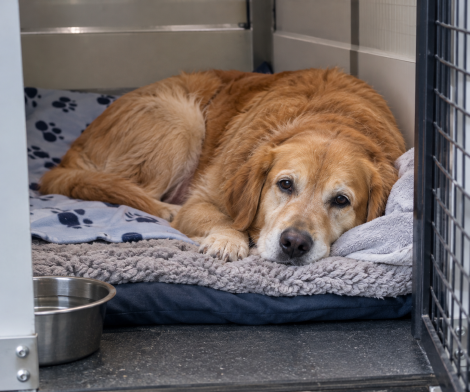
Dogs Learn to Compensate
Dogs are incredibly adaptable.
If one leg hurts, they'll simply shift their weight onto the other three.
At first, this seems like a sensible solution. However, over time these compensations can create
a whole new set of problems.
The unaffected limbs are forced to work harder. The spine and pelvis may move differently. Muscles tighten in some areas while weakening in others.
Before long, a problem that started in one leg begins affecting the entire body.
Joints Become Stiff
Movement helps keep joints healthy.
It promotes circulation, maintains flexibility and encourages the production of joint fluid that
nourishes cartilage.
When movement is restricted for extended periods, joints often become stiffer and less mobile.
Owners commonly notice that after several weeks of rest, their dog appears even more reluctant to
move than before.
This doesn't necessarily mean the original injury has worsened. Often, the body has simply
become deconditioned.
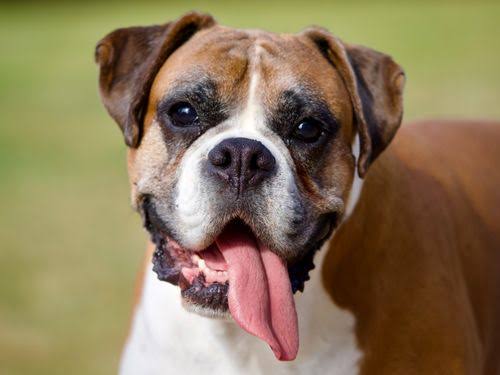
Fitness Declines Quickly
Just like
people, dogs lose fitness when they stop exercising.
Reduced
cardiovascular fitness means activities that were once easy can suddenly become
exhausting.
This is
particularly important in senior dogs and dogs carrying excess weight, where
fitness plays a major role in overall mobility and health.
Pain Doesn't Always Equal Healing
One of the biggest misconceptions is that if a dog is resting, they must be healing. Unfortunately, that's not always the case. Many conditions require more than time.
Cruciate injuries, arthritis, neurological conditions, post-surgical recovery and many soft
tissue injuries often benefit from carefully prescribed exercise and rehabilitation.
Pain may temporarily settle with rest, but the underlying weakness, instability or dysfunction
often remains.
As soon as normal activity resumes, the symptoms frequently return.
Movement Is Medicine
This doesn't mean injured dogs should be running, jumping and playing unrestricted. Far from it. The key is controlled, appropriate movement.
Rehabilitation is about providing the right exercise at the right time and in the right amount.
- Too much exercise can delay healing.
- Too little exercise can do exactly the same thing.
Finding that balance is where professional rehabilitation can make a significant difference.
What We Aim to Achieve During Rehabilitation
Rather than simply waiting and hoping, rehabilitation focuses on actively guiding recovery.
The goals are to:
- Reduce pain and discomfort
- Maintain joint mobility
- Preserve and rebuild muscle strength
- Improve balance and coordination
- Restore normal movement patterns
- Improve overall fitness
- Return dogs safely to their normal activities
Every rehabilitation plan is tailored to the individual dog, their diagnosis and their stage of
healing.
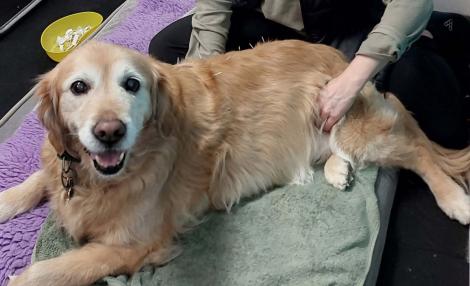
Rest Is Important – But It Shouldn't Be the Whole Plan
There are certainly times when rest is essential, particularly in the early stages of injury or
after surgery.
However, rest alone is rarely the complete answer.
The dogs that recover best are usually the ones that follow a structured plan that combines
appropriate rest with carefully managed rehabilitation and progressive exercise.
Because recovery isn't simply about healing damaged tissues.
It's about restoring strength, mobility, confidence and function.
The Bottom Line
If your dog has been told to "just rest and see how they go," it may be worth asking
what happens after the rest period.
- How will muscle strength be rebuilt?
- How will mobility be restored?
- How will compensatory movement patterns be addressed?
Because while rest is often the beginning of recovery, it is rarely where recovery should end.
At Aquapaws, we believe every dog deserves more than simply waiting and hoping. With the right
rehabilitation program, many dogs can recover stronger, move better and enjoy a higher quality of
life long after the initial injury has healed.
Aquapaws - "Adding years to their life and life to their years"