The Hidden Cost of Carrying
Extra Weight
The Hidden Cost of Carrying
Extra Weight
The Hidden Cost of Carrying
Extra Weight
The Hidden Cost of Carrying
Extra Weight
The Hidden Cost of Carrying
Extra Weight
The Hidden Cost of Carrying Extra Weight
We all
love our dogs. And sometimes that love comes in the form of an extra treat, a
few leftovers from dinner or a little more food in the bowl.
But when
those extra kilos slowly add up, the impact on your dog's body can be much
greater than you might realise.
Carrying
extra weight doesn't just affect your dog's appearance. It affects how their
entire body moves.
For dogs
already dealing with arthritis, cruciate disease, hip dysplasia, spinal
problems or another mobility issue, those extra kilos can make movement even
harder.
Extra Weight Means Extra Work
Every
time your dog stands, walks, climbs stairs or gets up from the floor, their
muscles and joints are working to move their body.
When
there is additional body weight to carry, the physical demand increases.
And for a
dog with painful or compromised joints, that can make everyday movements
significantly more difficult.
A dog
that is already struggling to get up may become less willing to move.
Less
movement can then lead to muscle loss.
Less
muscle means less support around the joints.
And
suddenly, we have a cycle that can be difficult to break.
Pain →
less movement → muscle loss → weakness → even less movement.
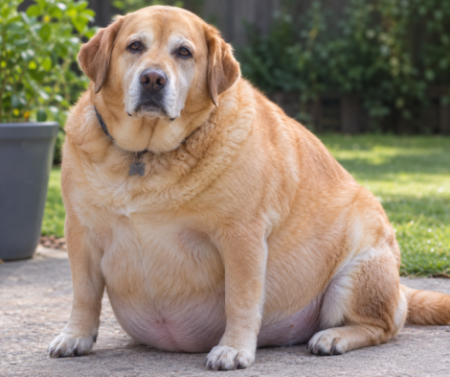
Weight and Arthritis
One of
the biggest concerns we see in rehabilitation is the relationship between
excess weight and osteoarthritis.
Arthritic
joints are already painful and inflamed. Carrying additional body weight places
greater physical demands on those joints and can make normal activities more
challenging.
This
doesn't mean every overweight dog will develop arthritis.
But for a
dog that already has joint disease, managing their weight can be an important
part of their overall treatment plan.
It Isn't Just About the Joints
Extra
weight can affect much more than the hips, knees and elbows.
It can
influence:
- Exercise tolerance
- Cardiovascular fitness
- Muscle strength
- Balance and coordination
- Ability to get up and down
- Willingness to exercise
- Recovery following surgery or injury
- Overall quality of life
And when
a dog is carrying excess weight, it can become harder for them to exercise
enough to lose it.
That's
where we often see another frustrating cycle begin.
- They're overweight, so movement is harder.
- Movement is harder, so they exercise less.
- They exercise less, so they gain more weight.
Breaking
that cycle requires a gradual and realistic approach.
Weight Loss Doesn't Mean "Exercise More"
This is
particularly important for dogs with existing injuries or mobility problems.
Telling
an arthritic or post-operative dog to simply exercise more isn't always
appropriate.
High-impact
exercise such as running, jumping or long walks may actually place unnecessary
stress on painful or healing structures.
Instead,
exercise needs to be carefully selected and progressed according to the
individual dog.
This is
where rehabilitation can be incredibly useful.
Water Can Make Movement Easier
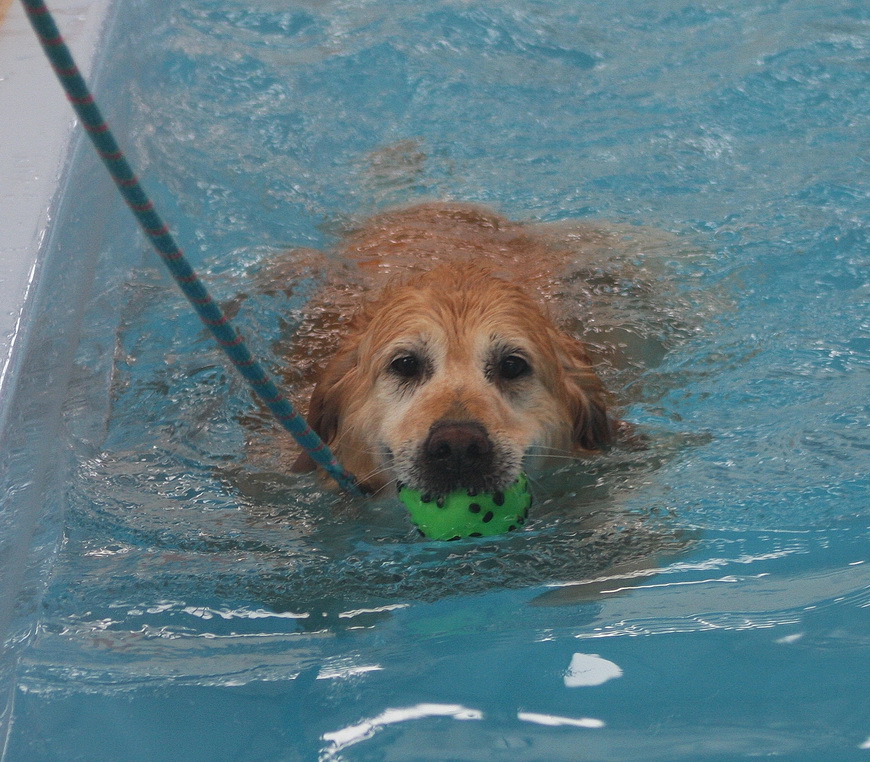
Hydrotherapy
can be a valuable tool for dogs that need to improve fitness while reducing the
load placed on their joints.
The
buoyancy of the water helps support the dog's body, making movement easier for
dogs that may struggle with weight-bearing exercise on land.
Swimming
can provide cardiovascular exercise, while the underwater treadmill allows us
to control the speed, duration and level of water support.
For some
dogs, this provides an opportunity to move and exercise when they simply aren't
comfortable doing the same amount of exercise on land.
Of
course, hydrotherapy isn't appropriate for every dog, and the right type and
amount of exercise depends on their health, diagnosis and individual needs.
Muscle Matters Too
Weight
loss shouldn't be the only goal.
We also
want to preserve and build muscle.
Muscle
provides important support around joints and helps dogs move more efficiently.
When a
dog loses weight without maintaining muscle, they may become lighter but not
necessarily stronger.
A good
rehabilitation program aims to improve body composition, not simply
reduce the number on the scales.
That may
involve controlled strengthening exercises, physiotherapy, underwater treadmill
work, swimming and an appropriate home exercise program.
Even a Small Amount Can Make a Difference
Weight management doesn't have to mean putting your dog on a strict diet overnight.
Small, sustainable changes can make a significant difference over time.
This might include:
- Measuring meals rather than estimating portions
- Reviewing treats and snacks
- Choosing lower-calorie rewards
- Reducing table scraps
- Increasing appropriate low-impact activity
- Regularly monitoring body weight and body condition
- Working with your veterinarian on an appropriate nutrition plan
Every dog is different, so weight-loss goals should be discussed with your veterinary team.
Look Beyond the Number on the Scales
A healthy weight isn't simply about a number.
Two dogs can weigh exactly the same but have very different body shapes, muscle mass and body
condition.
That's why veterinary professionals often assess body condition score as well as body weight.
We want to see a dog that is carrying an appropriate amount of body fat while maintaining healthy
muscle mass.
What If My Dog Is Already Struggling?
If your
dog is overweight and also has mobility problems, don't wait until they become
severely restricted.
Early
intervention can make a real difference.
A
rehabilitation assessment can help identify where your dog is struggling, what
activities they can safely perform and how exercise can be introduced without
unnecessarily stressing painful or recovering joints.
Weight
management, appropriate exercise and rehabilitation can work together.
New column
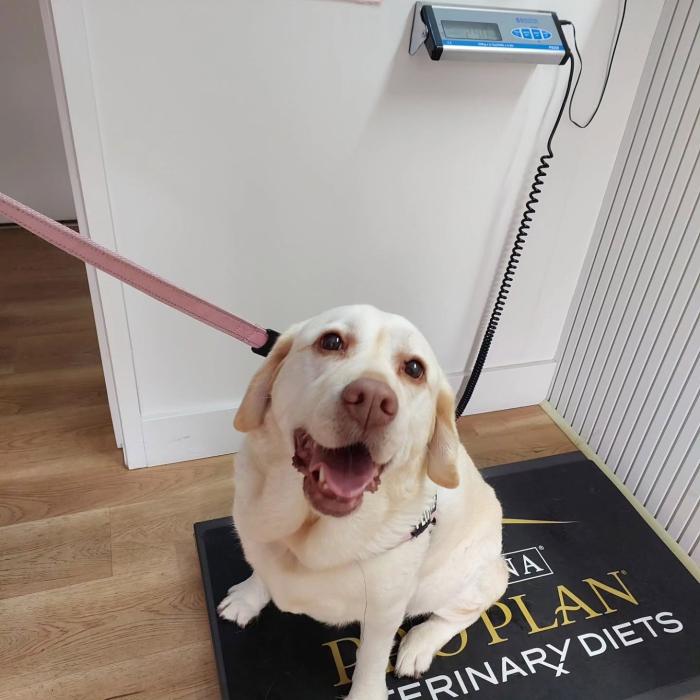
Every Kilo Matters
For a dog
with mobility problems, losing even a modest amount of excess weight can make
everyday movement easier.
Getting
up.
Walking.
Climbing
stairs.
Getting
into the car.
Playing.
Enjoying
a walk.
These are
the things that matter to our dogs.
Weight
management isn't about making your dog look a certain way.
It's
about helping them move more comfortably, stay active and enjoy a better
quality of life. At
Aquapaws, our goal isn't simply to get dogs moving.
It's to
help them keep moving for as long as possible. Aquapaws
- "Adding years to their life and life to their years."